Understanding the Pelvic Floor: A Beginner’s Guide
Have you ever wondered why sneezing sometimes causes a leak, or why your lower back still aches even after doing endless workouts? The answer might lie in a hidden, yet powerful part of your body: the pelvic floor.
Whether you’re pregnant, postpartum, dealing with leaks or with pelvic pain, or simply seeking better body awareness, understanding your pelvic floor is foundational to your health. In this guide, we’ll explore what the pelvic floor is, what it does, and how it changes during different life stages—plus why keeping it healthy is one of the best things you can do for yourself.
What Is the Pelvic Floor?
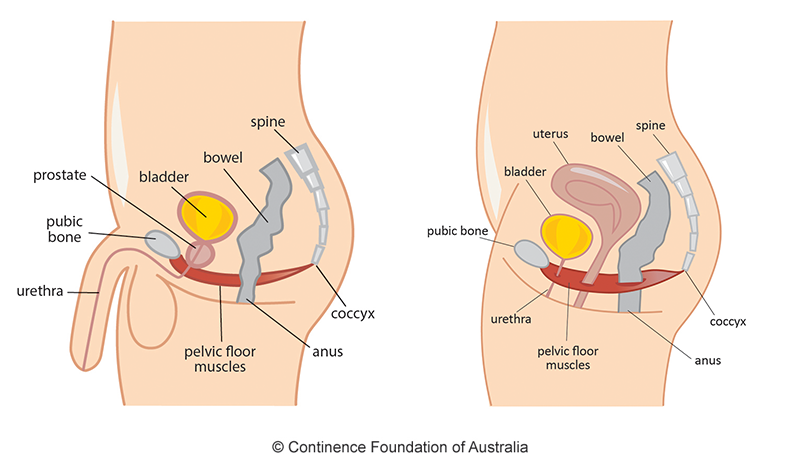
The pelvic floor is a group of muscles, fascia (connective tissue), and ligaments located at the bottom of your pelvis. Think of it as a dynamic sling or hammock that stretches from the front of your pelvis (the pubic bone) to the back (your tailbone) and side-to-side between your sitting bones.
This muscular structure forms the foundation of your core—alongside your diaphragm (your main breathing muscle), deep abdominal muscles (like the transversus abdominis), and spinal stabilizers. The pelvic floor is one of those few muscles which works almost all the time. It works even during the smallest movements of the body.
Quick Anatomy Snapshot:
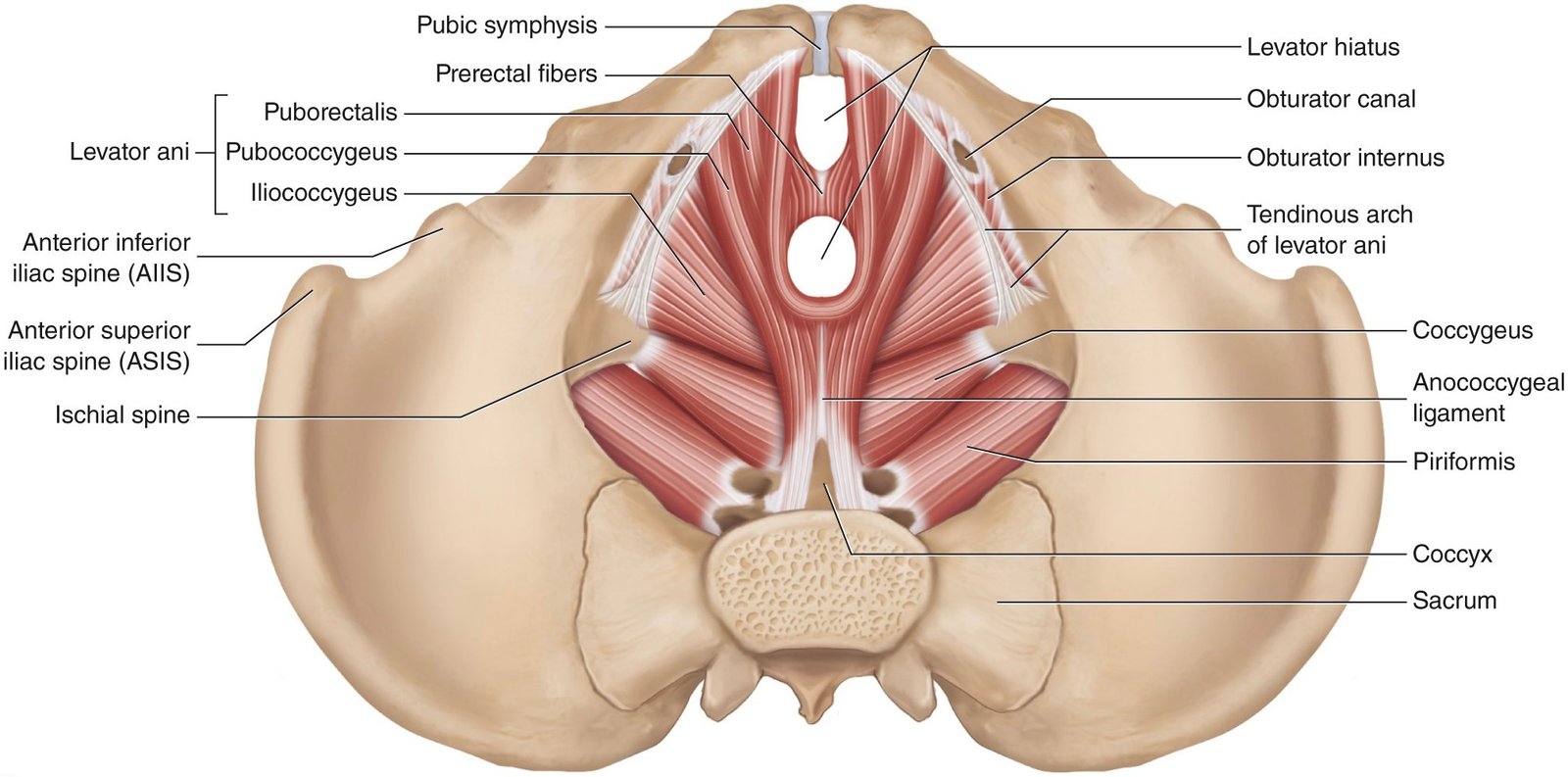
- Superficial muscles (close to the surface): Help control openings of the urethra, vagina, and rectum. Important in sexual function.
- Deep muscles (levator ani group): Responsible for core stability, lifting the pelvic organs, and controlling continence.
- Fascia and ligaments: Provide structural support and elasticity.
What Does the Pelvic Floor Do?
This complex group of muscles has five key functions:
1. Support for Pelvic Organs
The pelvic floor provides a supportive “floor” for the:
- Bladder
- Uterus (or prostate)
- Rectum
When the pelvic floor weakens or becomes overstretched, these organs can begin to drop downward—a condition called pelvic organ prolapse. One can experience various associated symptoms with a prolapse like experiencing the presence of a “small ball” in the vagina, urinary incontinence, urinary urgency and frequency, constipation and the need to splint or use a finger to facilitate a bowel movement and/or pelvic pain. During pregnancy, there is increased load on the pelvic organs and the pelvic floor. If the pelvic floor is not strong enough, it can get over stretched allowing the descent of one or more pelvic organs from the increased pressure from pregnant uterus, thereby leading to a prolapse. Similarly, in postpartum women, regardless of C-section or vaginal birth, inadequate strength in the pelvic floor can lead to a prolapse.
Tip:-If you are postpartum and interested in running or jogging, you must always first consult with your provider or a pelvic floor physical therapist before resuming any high impact activity like running or jumping, as it can exert excessive pressure on the pelvic floor especially if its weak, making you prone to a prolapse.
2. Continence Control
Your pelvic floor surrounds and supports the:
- Urethra (urine passage)
- Anus (bowel passage)
Continence means your ability to hold urine during activities. If there is leakage of urine or feces during everyday and/or high impact activities, its termed as urinary or fecal incontinence respectively. To maintain continence, the pelvic floor needs to possess certain amount of strength and ability to work in coordination with the diaphragm, abdominals and the spinal muscles. For example, when you sneeze, the intraabdominal pressure increases: the pelvic floor must contract at the same time you sneeze to close the vaginal or anal opening effectively to prevent any leakage. Lack of this ability in the pelvic floor muscles can lead to urinary or fecal incontinence in both women and men. You may notice the flowing types of incontinence with dysfunction in the pelvic floor:
- Stress incontinence -leaks during coughing/sneezing/laughing/exercise/lifting
- Urge incontinence – leaks following a strong, sudden urge to go. Leaks usually happens even before reaching the toilet seat or sometimes while undressing to sit on the toilet seat.
- Mixed Incontinence – mostly stress + urge incontinence
- Functional Incontinence – leakage because of not being able to get to the toilet in in time due physical or mental limitations
- Overflow Incontinence – This is characterized by constant urine leak or dribble throughout the day. A person might be holding back urine for long durations leading to its overflowing. Any kind of bladder obstruction like a prolapse or enlarged prostrate might lead to retention and eventual overflowing of urine.
- Fecal smearing or accidental bowel leakage– This might happen with activities or could even be spontaneous due to a prolapse, chronic constipation and/or pelvic floor weakness.
3. Sexual Function
The pelvic floor plays a role in:
- Blood flow to genital tissues
- Vaginal tone and sensation
- Orgasmic response
- Reducing pain during intercourse
Too much tightness (hypertonicity) or weakness in these muscles can interfere with sexual function or cause pain.
4. Core and Postural Stability
Your pelvic floor is one part of a pressure-regulating system called the core canister, along with the diaphragm (top), abdominals (front/sides), and spinal muscles (back). It:
- Stabilizes your spine and pelvis
- Coordinates with breath and movement
- Transfers load when you lift, walk, or bend
A dysfunctional pelvic floor can contribute to lower back pain, pelvic instability, and even poor balance.
5. Labor and Birth
During vaginal birth, the pelvic floor stretches up to 3 times its resting length. A healthy, coordinated pelvic floor:
- Supports the baby’s descent through the birth canal
- Can reduce the risk of tearing or prolonged labor
- Assists postpartum recovery and healing
How the Pelvic Floor Functions in Everyday Life
Your pelvic floor is not something you “switch on” only during exercise. It responds reflexively during daily movements like:
- Sneezing, coughing, laughing → It contracts to control pressure and prevent leaks.
- Lifting groceries or children → It engages to stabilize your core and protect your spine.
- Using the restroom → It relaxes in a coordinated way to allow proper voiding.
- Running, jumping, squatting → It helps absorb and transfer load.
Changes Across Life Stages
🚺 During Pregnancy:
- Hormones (like relaxin) soften pelvic tissues.
- The weight of the growing baby adds pressure.
- Postural changes affect muscle balance.
- Constipation, frequent urination, and pelvic heaviness may occur.
👶 During Birth:
- Vaginal delivery stretches the pelvic floor.
- Risk of tearing or nerve injury may affect function short- or long-term.
🍼 Postpartum Recovery:
- The muscles may be weak, uncoordinated, or tight.
- You may experience bladder leaks, pressure, or pain.
- Recovery is possible—but needs targeted rehab, not just Kegels.
👵 Perimenopause and Aging:
- Estrogen levels drop, reducing tissue elasticity.
- You may notice bladder urgency, vaginal dryness, or descent of organs.
- Strengthening and mobility work can prevent decline.
Why Is It So Important to Keep the Pelvic Floor Healthy?
Pelvic floor dysfunction is extremely common—but not normal.
- Up to 1 in 3 women experience urinary incontinence.
- About 50% of women will have some degree of prolapse in their lifetime.
- Many women never get pelvic rehab after childbirth, even with symptoms.
When your pelvic floor is healthy, you can:
- Stay dry when you sneeze, jump, or laugh.
- Enjoy intimacy without pain.
- Move confidently in your body.
- Give birth and recover with strength and awareness.
- Prevent chronic issues before they become worse.
How You Can Start Caring for Your Pelvic Floor Today
Caring for your pelvic floor doesn’t mean endless Kegels. In fact, many people with tight pelvic floors need to focus on relaxing first, not strengthening.
That’s why my live, online classes focus on:
- Breathwork and core synergy
- Gentle strengthening and stretching
- Postpartum and perinatal safe movement
- Education so you understand what’s happening in your body
You don’t need to live with discomfort, uncertainty, or shame. With the right guidance, your pelvic floor can become one of your greatest strengths—literally and figuratively.
💬 Ready to Begin?
🧘♀️ Join a class
Explore upcoming sessions designed for your phase of life—whether you’re postpartum, managing leaks, or simply want to stay strong.
📸 Follow me on Instagram
Get bite-sized education, guided videos, and live Q&A sessions.